Virtual Staging Companies: What You Are Actually Buying

ByQian, founder of DoVirtualStagingRates checked November 20, 2026

A staging company sells a finished image. Someone opens your photo, chooses furniture, composites it into the room, matches the light, and sends the file back. What you pay for is a designer’s attention, and one published rate is $24 per image.

That is a fair price for the work. The thing worth understanding before you buy is not the number — it is the unit being counted.

Upload a photo — free preview

No account needed. No credit card.

Companies bill the output. Tools bill the input.

A company counts finished images. Send the same empty room back three times because you want to see a different style, and that is three images on the invoice. A tool counts the photo you uploaded: once that photo is in your account, the styles are variations on it, not new orders.

 A staging companyDoVirtualStaging
What is countedEach finished imageEach photo you uploadThis is the whole difference. Everything below follows from it.
What one count costsBoxBrownie lists $24 per image$1.50 per photo, in a $9 pack of 6
Second style, same roomA second image on the invoiceIncluded — 8 renders in 24 hours
What happens at month endNothing; you paid per imageNothing; packs do not expire

The $24 figure is BoxBrownie’s published per-image rate, read from their pricing page on November 20, 2026. Studios quote differently from one another — the argument on this page is about the unit, not about who is cheapest.

What that rate pays for

It is not markup on software. A staged image from a studio involves four things, and none of them go away because a model can generate furniture:

Someone looks at the photo
And decides what belongs in that particular room — not what belongs in rooms that look like it.
Furniture is sourced, not invented
Real pieces from a catalogue, so the result is a photograph of furniture rather than a plausible drawing of some.
The composite is done by hand
Shadows, reflections in a floor, and light that falls the same way it already fell in the empty room.
A second pass, if the first was wrong
Judgement about whether the result is right is itself part of what you are buying.

Four cases where a company is the better call

The photo itself needs work

Blown-out windows, a crooked vertical, a room shot through a doorway on a phone. A designer can rebuild that frame. A furnishing tool takes the photo exactly as it is, which means a bad photo stays a bad photo with a sofa in it.

You need a house style

Some brokerages and MLSs have their own staging look, and a listing that ignores it reads as sloppy to the agent reviewing it. A studio can be briefed on that; a dropdown of seven styles cannot.

The furniture has to be real photography

If the image has to match pieces that physically exist in the property, compositing photographs of real catalogue furniture is the honest route. Generated furniture is a representation, not a record.

You want a person accountable

When a file is wrong the day before a shoot, one phone call beats a support queue. That is worth paying for, and it is not something software sells.

Three cases where the photo does the work

The room is clean and evenly lit

Most empty listing photos are exactly this. There is nothing in the frame that has to be interpreted, so a designer's judgement adds little that a style choice does not already cover.

You want to see three styles before deciding

That instinct is normal, and under a per-image model it gets expensive fast — which is why people stop at the first result that looks acceptable instead of the one that fits the listing.

You stage a few listings a month

A pack that does not expire fits that rhythm better than a month of service you may not use. This is the case the whole product is built around.

The clean photos go through a tool. The two from the listing that were shot badly go to a studio. Nothing about buying one commits you to the other, and this split is what most people actually end up doing.

The same room, furnished from a $9 pack

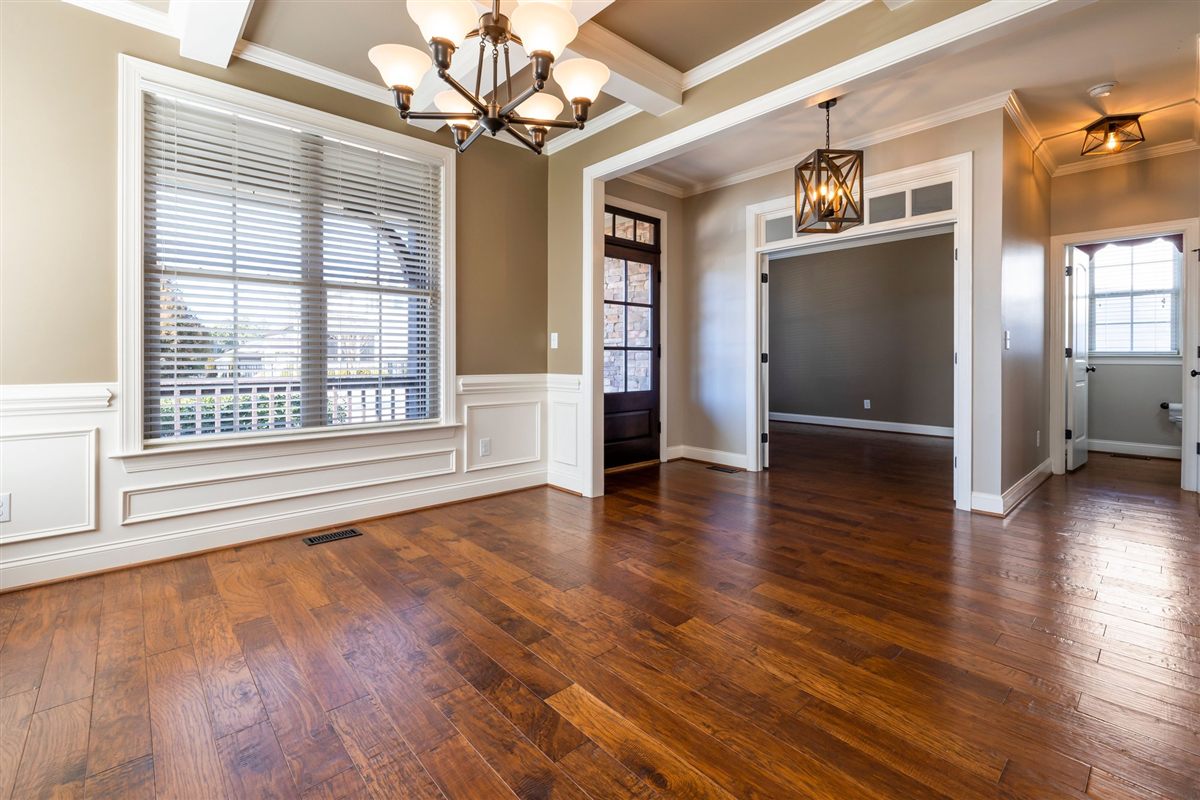
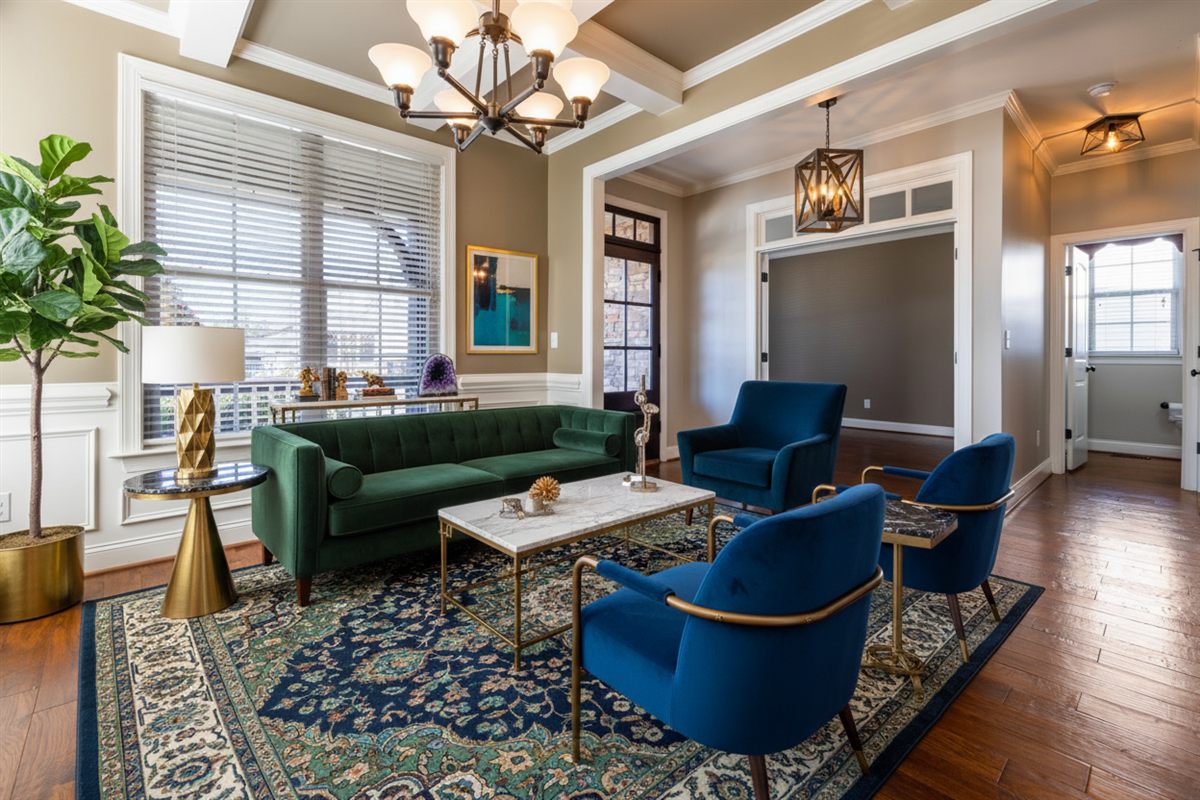
The photo on the left is what a studio would start from as well — an empty, evenly lit room with a straight frame. The photo on the right is one render from a $9 pack of six. Walls, window and flooring are the ones in the original.

Empty living room before virtual staging
The starting photo — the job a studio and a tool share
The same living room furnished in a luxury style
One render from a $9 pack of six

If your photo looks like the left one, this is the whole job. If it does not — tilted verticals, blown windows, clutter to clear — that is the case for the studio above.

How to decide in one question

Would a designer looking at this photo have to make a decision, or only execute one?

If the answer is execution — an empty room, even light, a straight frame — then you are paying for judgement you do not need, and a $1.50 photo does the same job. If the answer is judgement, pay for it. A $24 image you can use beats six at $1.50 that you cannot.

If you are still weighing the software side, best virtual staging software compared by how you pay. If you want to judge the output on your own listing first, start with the free preview.

See the output before you decide

One free preview on your own photo, no account required. If the result is good enough, $9 buys six more.

Upload a photo — free preview

$9 for 6 photos. Pay once.

Questions about hiring vs doing

How much do virtual staging companies charge?+

The rate we can verify is BoxBrownie's $24 per image, read from their pricing page on November 20, 2026. It was $30 when we checked on November 2, which is a reminder that these rates change — confirm the current figure before you buy. Rates differ by studio and by volume, and nearly all of them quote per finished image rather than per project. Get a quote for your own set before assuming any figure on this page applies to you.

Can I stage the photos myself instead of hiring a company?+

If the room is empty and the exposure is reasonable, yes: upload it and you get a furnished image for $1.50 per photo in a $9 pack. If the photo needs correcting before anything can be furnished, that is a different job and a studio is the right place for it.

Do I have to disclose that a photo was virtually staged?+

In most MLS listings, yes. Every image delivered here can be downloaded clean or with a disclosure label, and comes with a record of what was altered for that disclosure. Paid downloads carry no watermark.

What if the photo already has furniture that needs to go?+

DoVirtualStaging furnishes empty rooms only. Virtual Staging AI and Collov AI both include furniture removal, and so does any local staging studio. If that is your case, we are the wrong tool and the $9 is better spent elsewhere.

Rates quoted on this page were read from vendor pricing pages on November 20, 2026 and will change. Compare them against the vendor before you buy anything. See also our terms and acceptable use policy.